No Results Found
The page you requested could not be found. Try refining your search, or use the navigation above to locate the post.

With the best selection of Kurt Busch merchandise, you can show your admiration for one of the most successful racers in NASCAR history. Our Kurt Busch gear is perfect for racing fans who want to show their support for the 2004 NASCAR Cup Series winner. It includes signed diecast cars, racing coats, and caps. Our Kurt Busch apparel is the ideal way to demonstrate your admiration for one of NASCAR’s all-time greats, whether you’re at the track or just showing off your pride at home. So don’t wait; show your support for the No. 1 Ford driver by donning Kurt Busch products!
FIND YOUR TEAM
Get free shipping on all our products within the USA. This offer may not last long, so order now while free shipping is available.
Featured Products
The page you requested could not be found. Try refining your search, or use the navigation above to locate the post.
Showing 1–20 of 74 resultsSorted by popularity
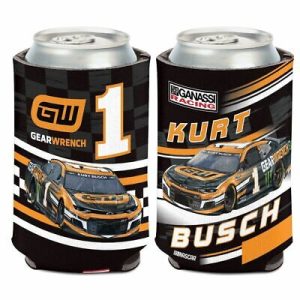
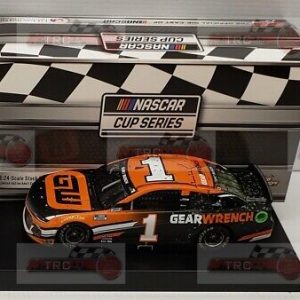
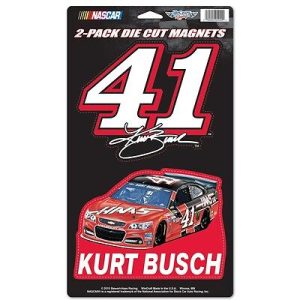
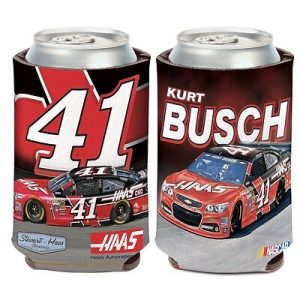
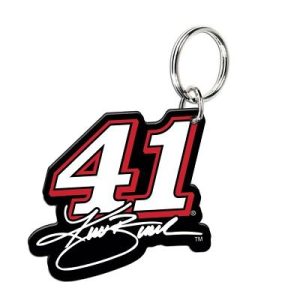
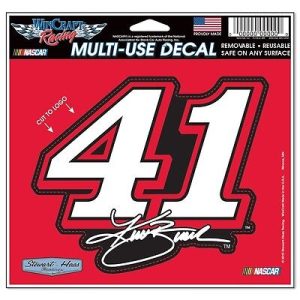
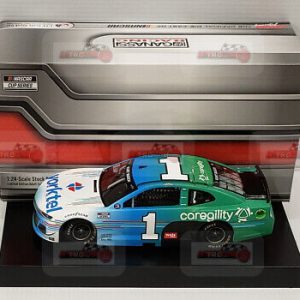

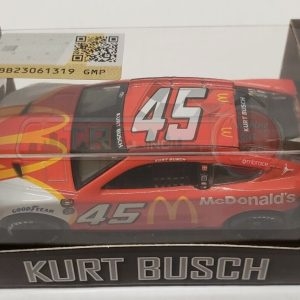
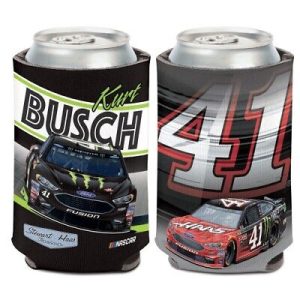

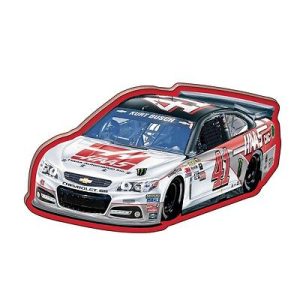
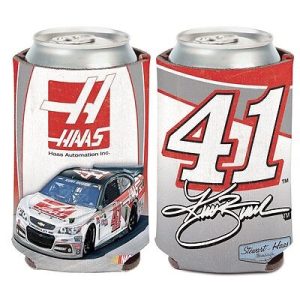
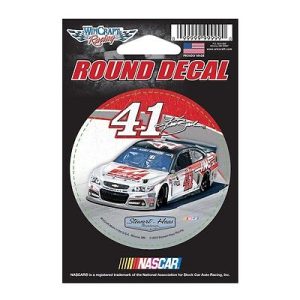
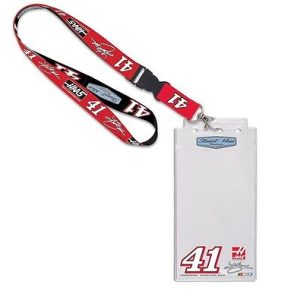

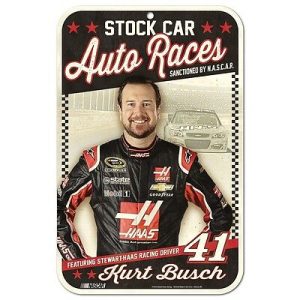
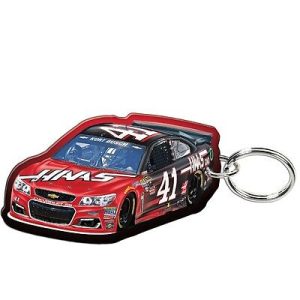


Kurt Busch, a name synonymous with intensity, resilience, and unwavering passion, has carved out one of the most distinguished careers in NASCAR history. With over two decades behind the wheel, the 2004 NASCAR Cup Series champion’s journey is a compelling narrative of raw talent, overcoming adversity, and a relentless pursuit of excellence. As a driver who consistently pushed the boundaries, Busch’s career is a testament to his indomitable spirit and the profound impact he’s had on the sport.
Kurt Busch was born into a family with racing in its blood on August 4, 1978, in Las Vegas, Nevada. His father, Tom Busch, was a local racing legend, and his younger brother, Kyle Busch, would later become one of the most successful drivers in NASCAR history. Growing up in this environment, it was almost inevitable that Kurt would develop a deep-seated passion for racing.
Kurt’s entry into the world of motorsports began with go-kart racing, but it was in the competitive ranks of the NASCAR Southwest Series that he first made his mark. His early success caught the attention of NASCAR scouts, and in 2000, he was offered a chance to drive in the Craftsman Truck Series for Roush Racing, one of the sport’s premier teams. Kurt seized the opportunity, winning four races and finishing second in the championship standings that year. This impressive performance fast-tracked his promotion to the NASCAR Cup Series in 2001.
Busch’s early years in the Cup Series were marked by rapid growth and the occasional controversy. Driving the No. 97 car for Roush Racing, he quickly earned a reputation as a fiercely competitive driver who wasn’t afraid to ruffle feathers. His aggressive driving style and on-track altercations with other drivers often made headlines, but they also underscored his determination to succeed at the highest level.
In 2004, Kurt Busch’s tenacity paid off in a big way. That year, NASCAR introduced the Chase for the Cup, a new playoff system designed to add excitement to the championship battle. Busch entered the Chase as an underdog but delivered a masterclass in consistency, capturing three wins and a series of top finishes. His crowning moment came at the season finale at Homestead-Miami Speedway, where he secured the championship by a mere eight points over Jimmie Johnson, despite narrowly avoiding disaster when his car lost a wheel during the race.
With this victory, Busch became the inaugural champion under the Chase format and solidified his place among NASCAR’s elite. However, his relationship with Roush Racing began to deteriorate, and by the end of 2005, he parted ways with the team in a move that shocked the NASCAR community.
Kurt Busch’s move to Penske Racing in 2006 marked the beginning of a new chapter in his career. Driving the iconic No. 2 “Blue Deuce,” Busch faced the challenge of rebuilding his reputation and proving that his championship win was no fluke. He quickly adapted to his new surroundings, securing several wins and consistently performing at a high level.
Busch’s time at Penske was defined by a series of highs and lows. He claimed multiple victories, including a prestigious win at the 2010 Coca-Cola 600, one of NASCAR’s crown jewel events. However, his tenure with the team was also marred by inconsistency and the occasional public outburst, which led to his departure at the end of the 2011 season.
Despite these challenges, Busch’s ability to remain competitive and his knack for pulling off stunning performances kept him in the spotlight. His 2011 season, where he made it to the Chase and finished 11th in the standings, underscored his resilience and determination to stay relevant in a sport that is constantly evolving.
Kurt Busch’s career took an unexpected turn in 2012 when he joined Furniture Row Racing, a single-car team based in Denver, Colorado. This move was seen by many as a step down, but for Busch, it was an opportunity to rebuild and redefine his legacy. He transformed the underdog team into a competitive force, leading them to their first-ever playoff appearance in 2013.
His success at Furniture Row caught the attention of Tony Stewart, co-owner of Stewart-Haas Racing (SHR), who offered Busch a ride in the No. 41 car for the 2014 season. This partnership proved fruitful as Busch returned to Victory Lane at Martinsville Speedway, securing his first win with SHR and a spot in the playoffs.
In 2017, Busch captured one of the most significant victories of his career, winning the Daytona 500, the sport’s most prestigious race. This triumph was not only a testament to his enduring skill and tenacity but also served as a crowning achievement that had eluded him throughout his career.
As Busch transitioned into the latter stages of his career, he embraced the role of a mentor and veteran leader. In 2019, he joined Chip Ganassi Racing, where he continued to perform at a high level, adding another win to his impressive resume with a victory at Kentucky Speedway. Busch’s ability to remain competitive well into his 40s is a testament to his adaptability and deep understanding of the sport.
Off the track, Busch has also been a vocal advocate for various charitable causes, using his platform to make a positive impact beyond racing. His contributions to organizations such as the Armed Forces Foundation and his efforts to support military veterans have further endeared him to fans and solidified his legacy as not just a great driver, but also a great ambassador for the sport.
Kurt Busch’s career is one that will be remembered for its complexity, intensity, and unparalleled success. From his early days as a fiery young driver to his role as a seasoned veteran and mentor, Busch has left an indelible mark on NASCAR. His 2004 championship, Daytona 500 victory, and numerous wins across different teams and eras of the sport are a testament to his enduring talent and determination.
As he looks toward the future, whether it involves continued racing or a transition into a new role within the sport, Kurt Busch’s legacy is secure. He will always be remembered as one of NASCAR’s most formidable competitors—a driver who raced with heart, grit, and an unyielding desire to be the best.
Kurt Busch raced for several teams, including Roush Racing, Penske Racing, Furniture Row Racing, Stewart-Haas Racing, and Chip Ganassi Racing.
As of his last full season, Kurt Busch has 34 NASCAR Cup Series wins.
Kurt Busch won the NASCAR Cup Series Championship in 2004, the inaugural year of the Chase for the Cup format.
Kurt Busch's most significant victory is arguably the 2017 Daytona 500, one of NASCAR's most prestigious races.
Kurt Busch is most associated with the No. 97 car from his early career at Roush Racing and the No. 2 "Blue Deuce" during his time at Penske Racing.
Yes, Kurt and Kyle Busch frequently raced against each other in the NASCAR Cup Series, with both brothers achieving significant success.
Yes, Kurt Busch has been involved in several on-track and off-track controversies throughout his career, which have sometimes overshadowed his achievements.
Kurt Busch played a pivotal role in transforming Furniture Row Racing from an underdog team into a competitive force, leading them to their first playoff appearance in 2013.
Kurt Busch is a strong supporter of military veterans and has been involved with the Armed Forces Foundation and other charitable initiatives focused on veterans' welfare.
Kurt Busch is transitioning towards the latter stages of his career, with his future in racing or a potential role within NASCAR yet to be fully determined.
Click a questions to see the answer.
Your content goes here. Edit or remove this text inline or in the module Content settings. You can also style every aspect of this content in the module Design settings and even apply custom CSS to this text in the module Advanced settings.
Answer: A. Daytona 500
Answer: B. Jimmie Johnson (Tied with Richard Petty and Dale Earnhardt with 7 titles)
Answer: D. Playoff Rounds (formerly known as “The Chase”)
Answer: A. The Track Too Tough to Tame
Answer: A. 1948
Answer: C. Lee Petty
Answer: B. Dale Earnhardt
Answer: D. Superspeedway
Answer: C. Sara Christian
Answer: B. Hendrick Motorsports